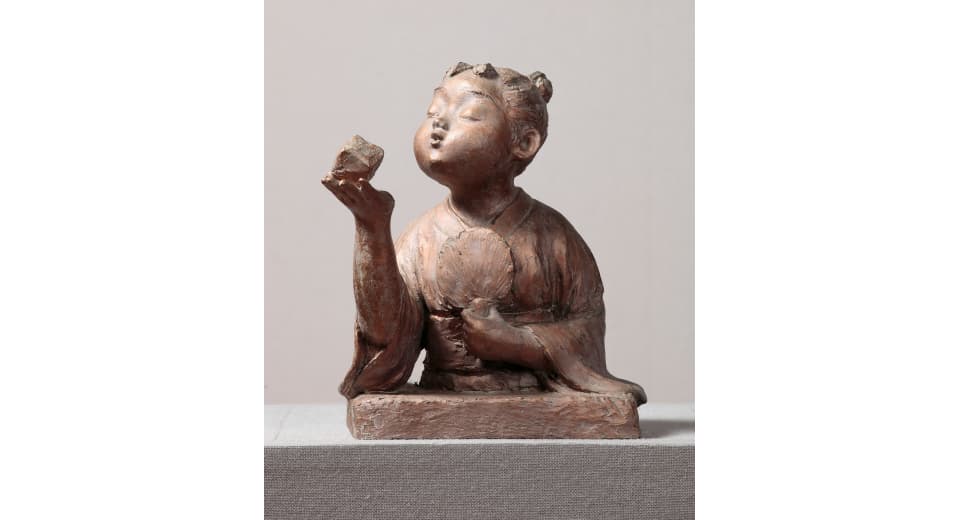
Inami woodcarving is one of Japan’s most renowned traditional crafts, originating in Nanto City, Toyama Prefecture. The town, home to over one hundred professional woodcarvers, has sustained this art form for more than 250 years through a continuous master–apprentice tradition.
Origins and History
Inami’s story begins in 1390 with the founding of Zuisenji
Temple, a branch of Kyoto’s Honganji Temple. The temple’s
construction attracted skilled carpenters, and Inami
flourished as a centerof craftsmanship.
In 1762, a fire
destroyed Zuisenji, and a sculptor from Kyoto named Maekawa
Sanshirō was invited to assist in its reconstruction. After
teaching local temple carpenters his techniques, Inami
gradually evolved into a town of specialized woodcarvers,
establishing the foundation of its distinct style.
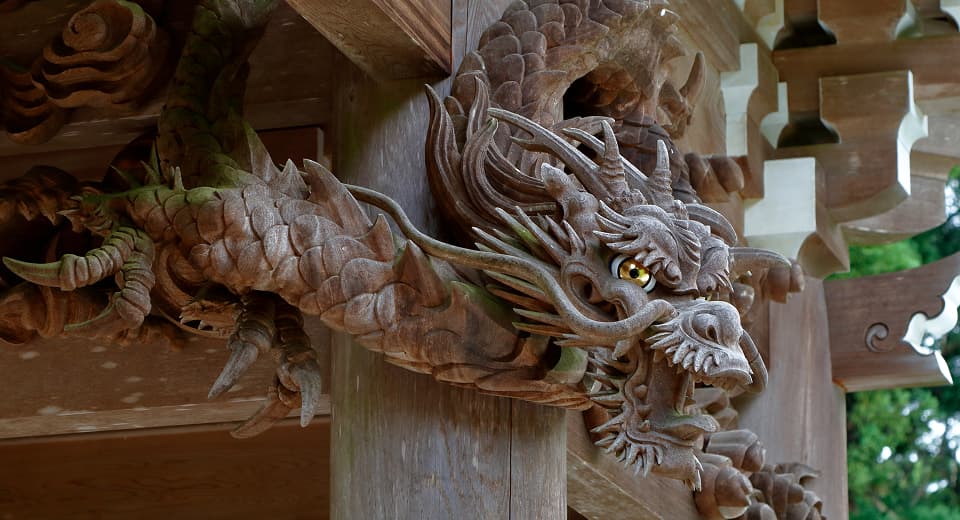
Sanshiro’s dragon carved on the temple gate at that time
still stands today as a symbol of the craft’s beginnings.
During
the Meiji period (early 20th century), Inami artisans
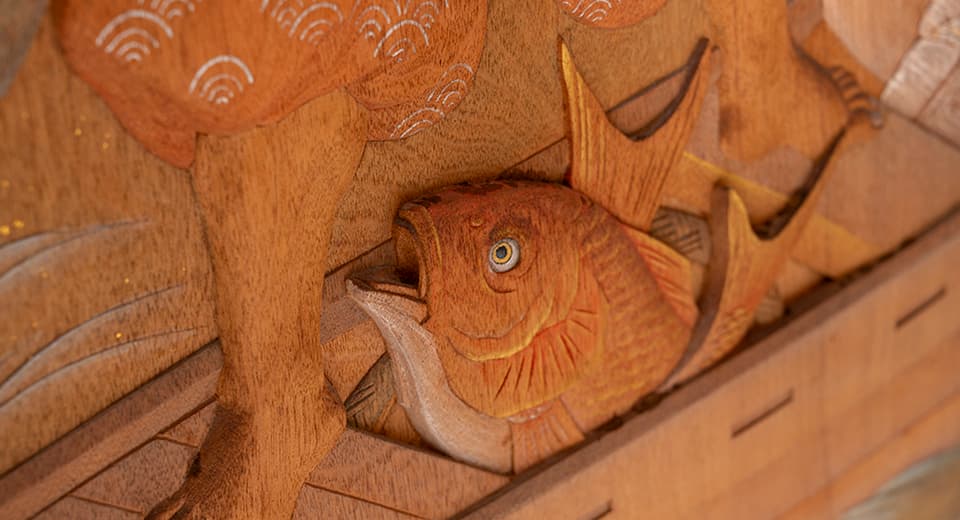
expanded beyond temple ornamentation to produce ranma —
carved transom panels used in traditional Japanese
homes.This innovation brought Inami woodcarving into daily
life and led to a period of remarkable growth. By the
postwar era, more than 300 artisans were active, making
Inami Japan’s largest woodcarving center.

Techniques and Characteristics
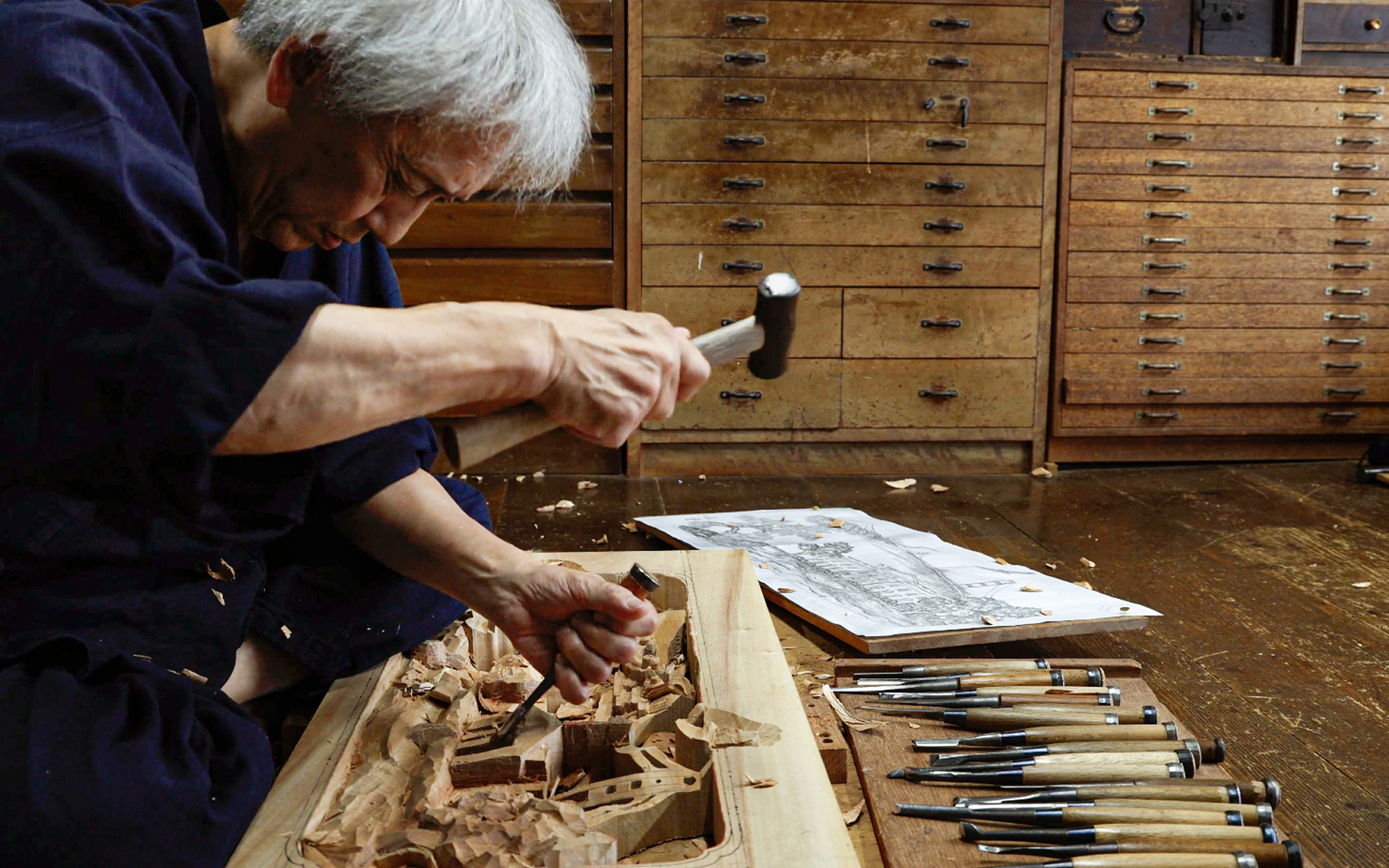
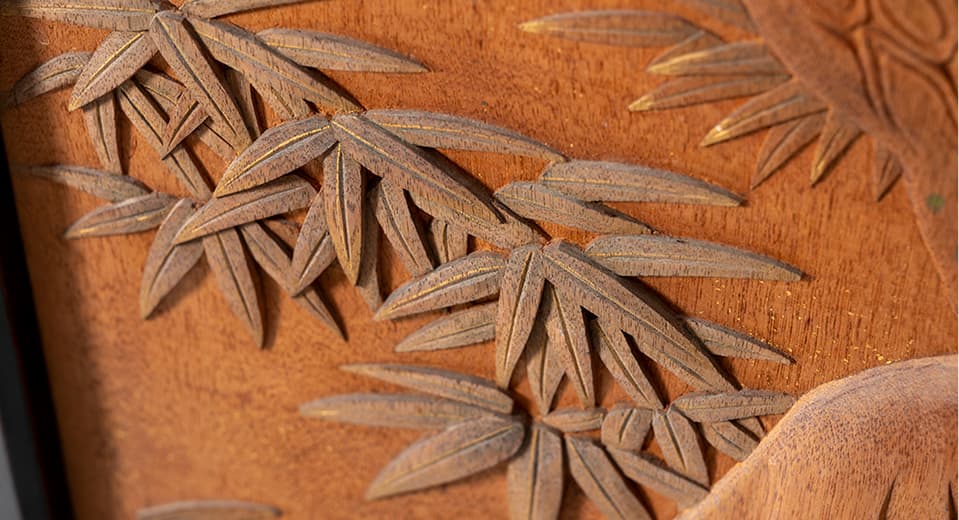
Inami woodcarving is defined by its creation from a single block of wood, an art of subtraction that reveals form
through continuous carving. Each piece is executed entirely
by hand; carvers never use sandpaper. Every surface is
finished with chisels alone, requiring exceptional precision
and control. A single work may involve more than two hundred
chisels of different shapes and sizes.
Camphor wood is the primary material, valued for its
flexibility and durability. The process begins with a
detailed sketch (shitae), followed by rough carving,
intermediate carving, and final finishing. The composition
must remain structurally connected to its frame, with every
line and curve contributing to harmony and balance.
Apprenticeship and Transmission
The foundation of Inami’s longevity lies in its traditional
apprenticeship system, which lasts a minimum of five years.
Apprentices begin by cleaning the workshop and maintaining
tools, spending months learning to sharpen chisels by hand
before ever carving wood. Through years of observation and
practice, they internalize the master’s rhythm and
technique, gradually progressing to independent work.
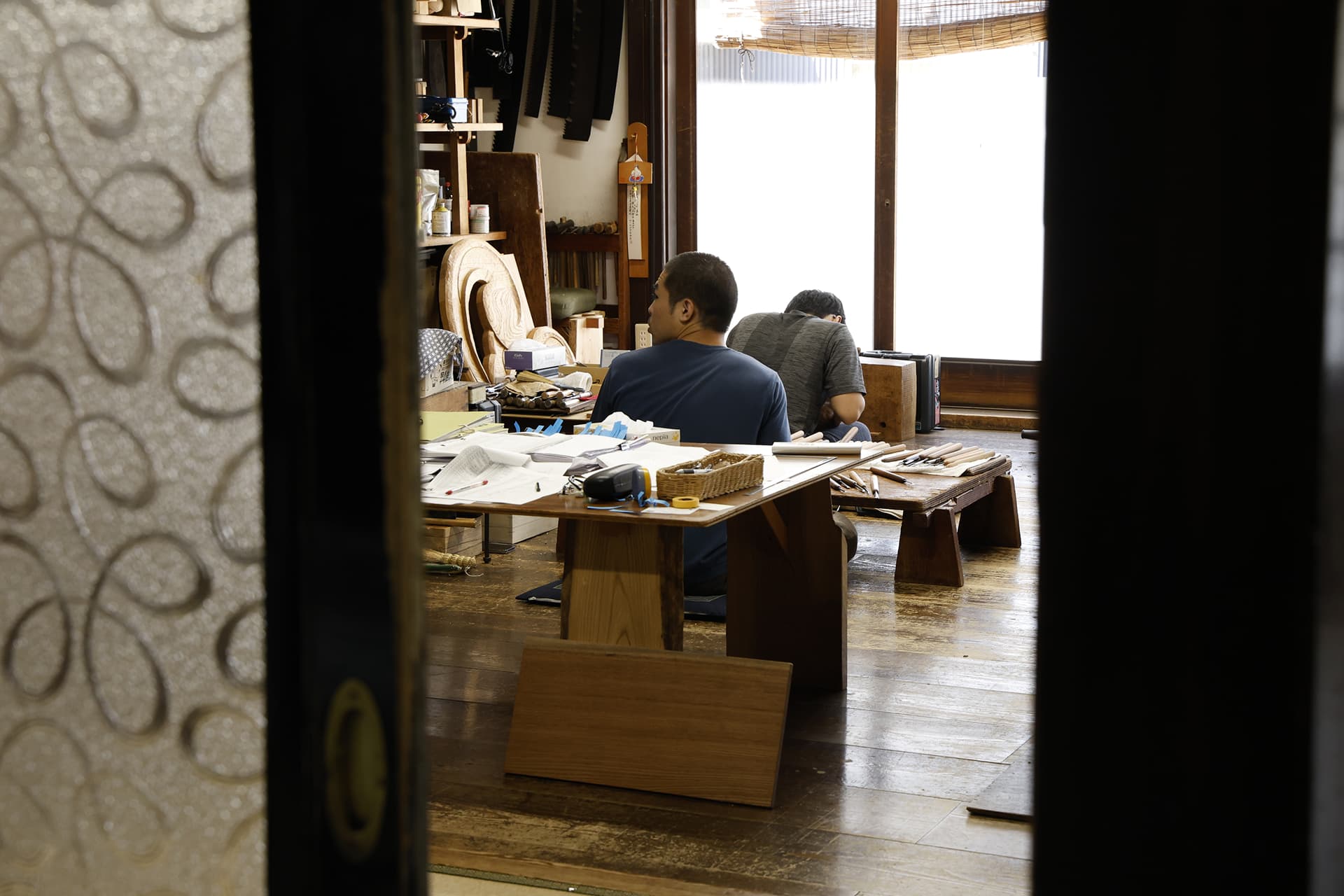
Today, while many apprentices no longer live with their
masters, the principles remain unchanged. Within the Inami
Woodcarving Cooperative, artisans collaborate, train new
generations, and take part in restoration and cultural
exchange projects.
Inami Today
Although domestic demand for traditional ranma has declined
due to changes in architecture, Inami’s craftsmen continue
to adapt. Many now apply their skills to contemporary
design, furniture, and architectural commissions, while also
restoring cultural landmarks such as Nagoya Castle and Shuri
Castle.
Yet this shift marks a critical turning point. As demand for
traditional work has fallen, so too has the number of
masters able to sustain enough apprentices to cultivate a
future generation of skilled carvers. Most of Inami’s master
craftsmen are now over the age of sixty, and without new
opportunities and global awareness, the transmission of
these centuries-honed skills faces the risk of disappearing
within a single generation.
Through its collaboration with Poiesis, Inami’s artisans are
expanding their work to new motifs and symbolisms for
clients around the world. Their craftsmanship continues to
evolve while remaining grounded in centuries of discipline
and precision.
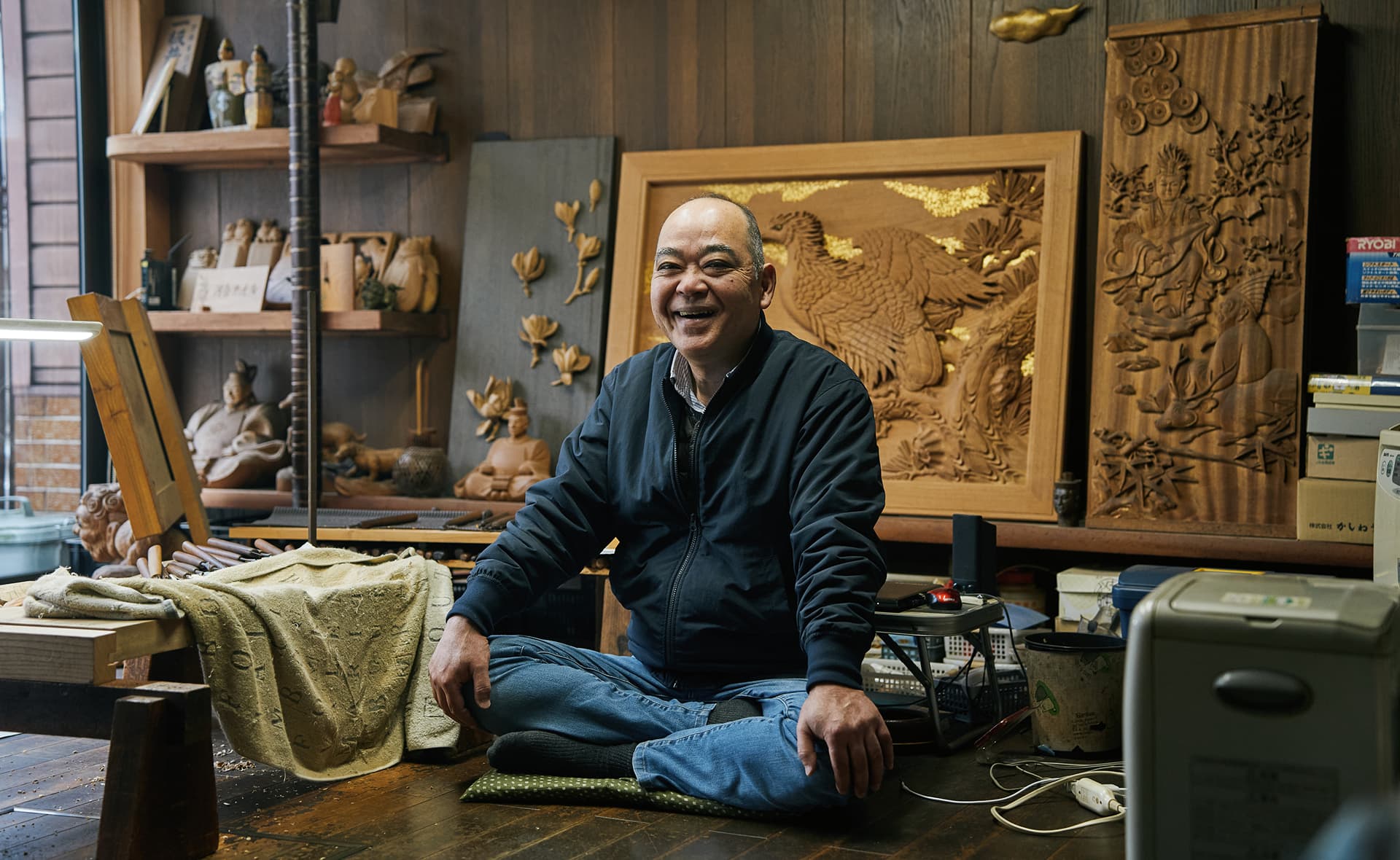
Inami woodcarvers take pride in their mastery: “If it is
wood, we can carve anything.”
Gallery
Residential Ranma
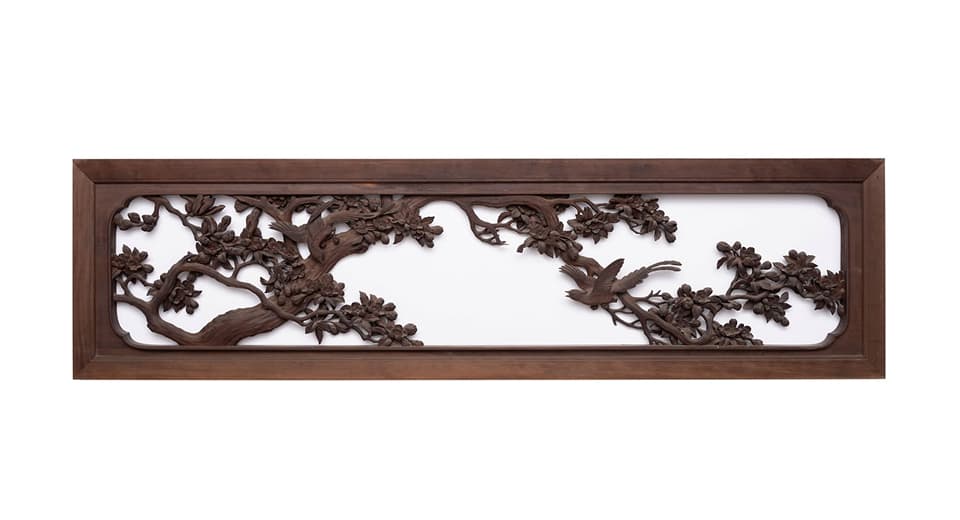
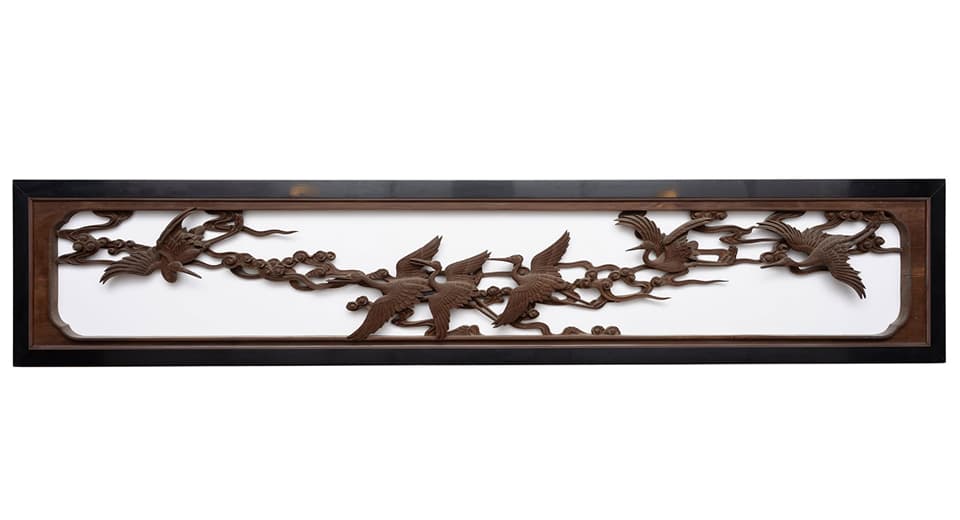
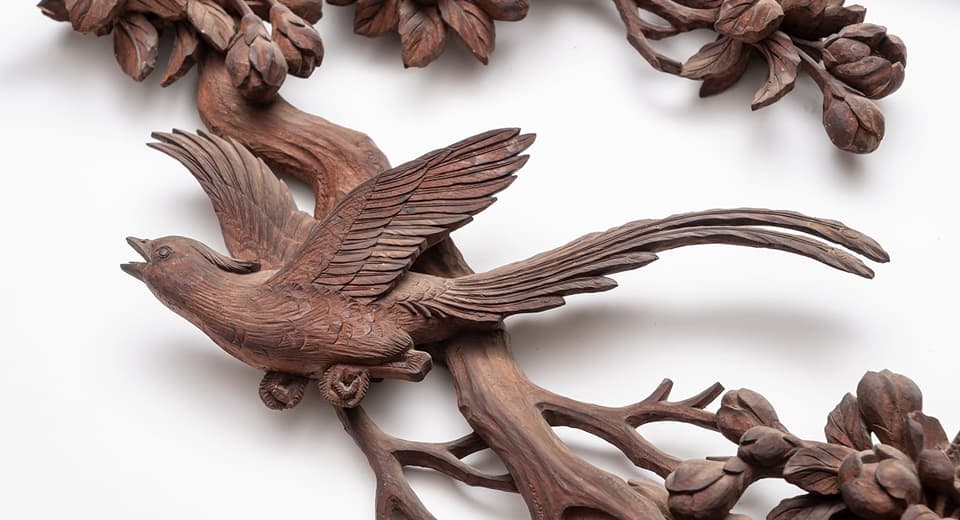
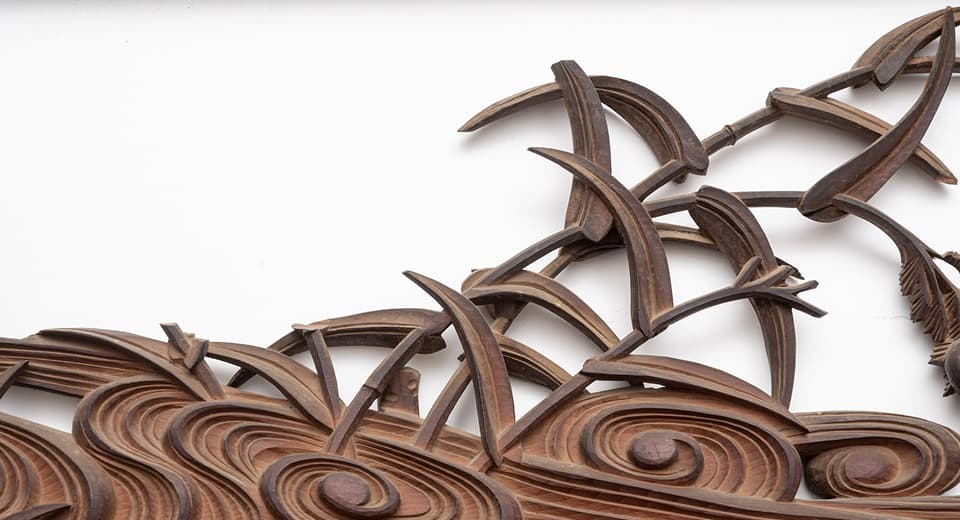

Relief Carving



Temple & Shrine




Contemporary Fusion